HEATING & SPECIAL PIPES FOR MODERN BUILDINGS.
Explore PEX, PE-RT and suitable PPR piping options for underfloor heating, hot and cold water distribution and building service installations. We support technical product inquiries from importers, distributors and project procurement teams.
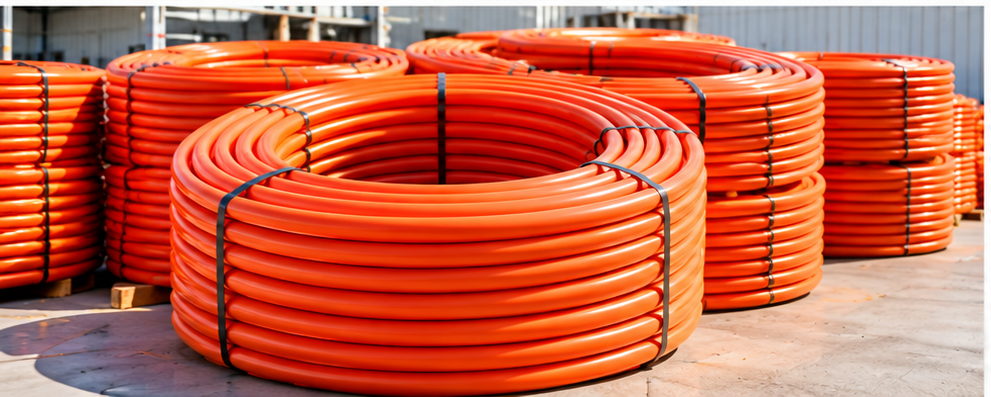
PIPING APPLICATIONS
Compare PEX, PE-RT and PPR piping requirements.
Review temperature, pressure and application requirements.
Discuss dimensions, quantity, fittings and destination.
EXPLORE OUR HEATING PIPE OPTIONS.
Different heating and building service systems require different pipe materials and performance characteristics. Compare common PEX, PE-RT and PPR piping options to identify the specifications relevant to your project or wholesale inquiry.
PRODUCT 01
PEX Pipes
PEX pipes are manufactured from cross-linked polyethylene and are commonly specified for suitable underfloor heating and hot and cold water installations. PEX-a, PEX-b and other variants may differ in manufacturing process and product characteristics.
PRODUCT 02
PE-RT Pipes
PE-RT pipes use polyethylene materials designed for elevated temperature applications. They are commonly considered for hydronic radiant floor heating. Material class, operating conditions and pipe dimensions should be confirmed against the project requirements.
PRODUCT 03
PPR Pipes
PPR piping systems are widely used for suitable hot and cold water distribution in residential and commercial buildings. Some product systems may also be specified for heating applications, subject to their design and performance classification.
Share Your Heating Pipe Requirements
Tell us the intended application, pipe material, dimensions, operating temperature and pressure, applicable standard, order quantity and destination. We can review your inquiry and discuss suitable product options.
COMPARE MATERIALS. CONFIRM SPECIFICATIONS.
Selecting piping for heating and building service applications requires more than choosing a material. Dimensions, jointing methods, temperature conditions, design pressure and applicable standards should all be reviewed before procurement.
PEX vs PE-RT vs PPR
General material comparison · Scroll horizontally on mobile →| Comparison Item | PEX Pipes | PE-RT Pipes | PPR Pipes |
|---|---|---|---|
| Material | Cross-linked polyethylene | Polyethylene of raised temperature resistance | Polypropylene random copolymer (PP-R) |
| Common Applications | Underfloor heating; suitable hot and cold water piping | Hydronic radiant floor heating; other approved building service uses | Hot and cold water distribution; suitable building heating applications |
| Typical Product Form | Flexible coils; other forms depend on specification | Flexible coils; specified pipe lengths | Commonly straight pipe lengths |
| Dimension Designation | Outside diameter and wall thickness | Outside diameter and wall thickness | Outside diameter, wall thickness, pipe series or SDR |
| Jointing Method | Compatible mechanical or expansion-type fittings, depending on system | Compatible fittings or approved joining methods for the specified system | Commonly socket heat fusion with compatible PP-R fittings |
| Temperature Requirements | Confirm application class and product design conditions | Confirm material class, application class and design conditions | Confirm application class, pipe series and design conditions |
| Pressure Requirements | Based on specified product design, application class and service life | Based on specified product design, application class and service life | Based on pipe series, application class and design conditions |
| Standards to Review | ISO 15875 or applicable market standard | ISO 22391 or applicable market standard | ISO 15874 or applicable market standard |
| Procurement Focus | PEX type, pipe dimensions, fitting compatibility | PE-RT material type, pipe dimensions, coil length | Pipe series, wall thickness, fittings and installation method |
What to Include in Your Inquiry
Detailed requirements help identify the appropriate piping system and clarify quotation conditions. If available, attach your technical drawings, bill of quantities or project specification.
- Pipe material and type
- Outside diameter and wall thickness
- Application and installation method
- Design temperature and pressure
- Required standard and application class
- Coil length or straight pipe length
- Fitting and connection requirements
- Order quantity and destination
Temperature and Pressure Must Be Evaluated Together
For hot water and heating piping systems, a nominal pressure designation alone does not establish suitability at elevated temperatures. Product selection should consider the applicable standard, application class, design temperature, operating pressure, expected service life and compatible fittings. Final suitability should be confirmed against the manufacturer's technical documentation and project design.
Send us your required material, dimensions, operating conditions, order quantity and destination to discuss suitable product options and quotation requirements.
PIPING SOLUTIONS FOR BUILDING SYSTEMS.
Heating and building service pipes are selected according to system temperature, pressure, installation method and project specifications. Explore common applications and the technical factors buyers should review before procurement.
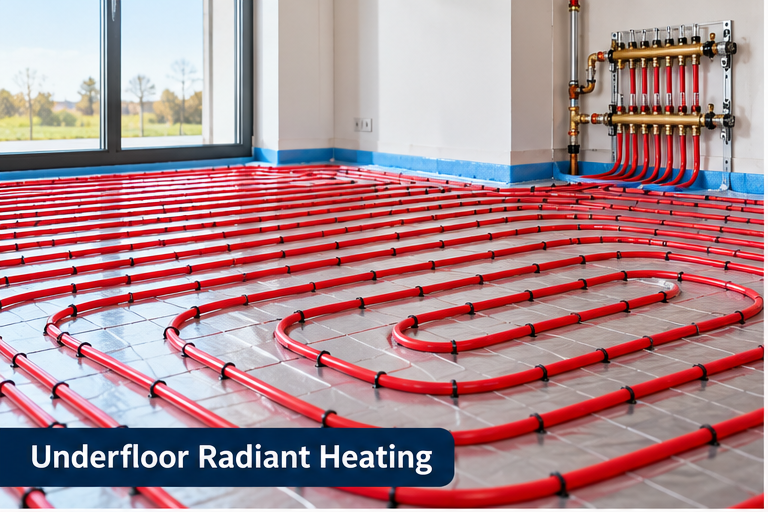
APPLICATION 01
Underfloor Radiant Heating
Hydronic underfloor heating systems circulate heated water through pipe loops installed within floor assemblies. Suitable PEX and PE-RT piping systems are commonly considered for these applications, subject to the project design and product performance requirements.
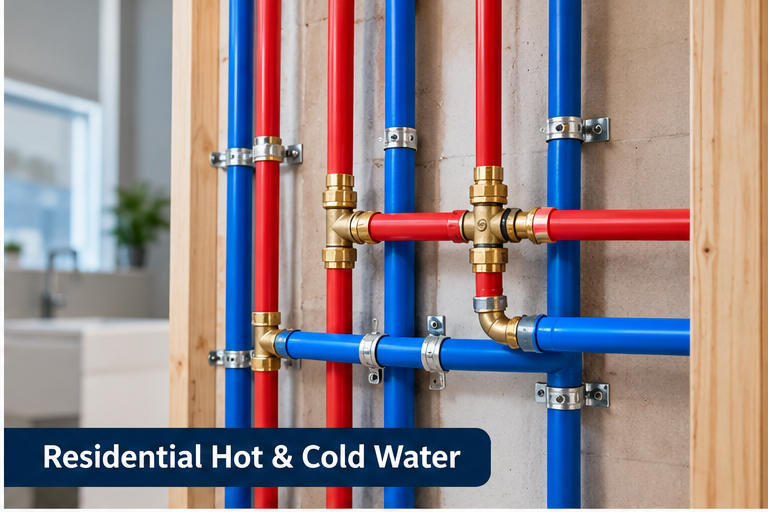
APPLICATION 02
Residential Hot & Cold Water
Residential plumbing networks require pipe systems suited to domestic hot and cold water distribution. PPR and approved PEX piping systems may be considered according to the applicable standards, water quality requirements and installation design.

APPLICATION 03
Commercial Building Plumbing
Hotels, offices, apartment buildings and other commercial developments may require extensive hot and cold water piping networks. Product selection should consider building service requirements, system operating conditions, jointing methods and local regulations.
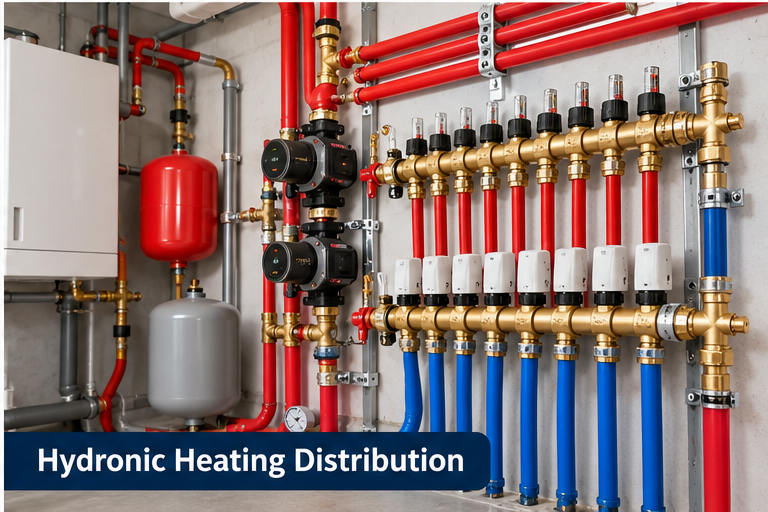
APPLICATION 04
Hydronic Heating Distribution
Hydronic heating networks distribute heated water between heating equipment, manifolds and terminal systems. The appropriate pipe material and construction depend on operating temperature, pressure, oxygen diffusion requirements and system design.
Have a Heating or Plumbing Project?
Send us your application, preferred pipe material, dimensions, design temperature and pressure, required standard, estimated quantity and destination. We can review your inquiry and discuss suitable piping options.
TECHNICAL STANDARDS. PROCUREMENT CONFIDENCE.
Heating and building service piping must be evaluated against the requirements of its intended application. Review the relevant product standards, operating conditions, material specifications and supporting documents before placing an order.
Standards to Review
The following standards are commonly relevant to specific plastic piping systems for hot and cold water installations. Confirm the applicable scope, edition and national requirements for each project.
ISO 15875 — PEX Piping Systems
Reference standard series for cross-linked polyethylene piping systems intended for hot and cold water installations. Review the relevant parts covering materials, pipes, fittings and system suitability.
ISO 22391 — PE-RT Piping Systems
Reference standard series for polyethylene of raised temperature resistance piping systems used in hot and cold water installations. Material type, application class and system requirements should be reviewed.
ISO 15874 — PP Piping Systems
Reference standard series for polypropylene piping systems used in hot and cold water installations. Confirm the specified material type, pipe series, fittings and application conditions.
Local Codes & Market Requirements
Destination markets may require additional plumbing approvals, potable water suitability evidence, installation rules or specific testing documentation. These requirements should be identified before procurement.
What Buyers Should Confirm
A clear technical specification helps reduce product mismatches and supports more accurate purchasing discussions.
-
✓Material Type & Pipe Construction
Confirm PEX type, PE-RT material type, PP-R grade and any required multilayer or barrier construction.
-
✓Dimensions & Pipe Series
Specify outside diameter, wall thickness, SDR or pipe series where applicable, and required length or coil size.
-
✓Temperature & Pressure Conditions
Identify application class, design temperature, operating pressure and expected service conditions.
-
✓Oxygen Barrier Requirements
For applicable hydronic heating systems, confirm whether an oxygen diffusion barrier is required and its specified performance criteria.
-
✓Fittings & Joint Compatibility
Check compatible fittings, joining methods and system-level installation requirements.
-
✓Test Reports & Documentation
Identify required inspection records, test reports, approvals, product marking and traceability documents for the exact order.
Heating Pipe Selection Requires System-Level Evaluation
A pipe's suitability for heating service cannot be determined from material name or nominal pressure designation alone. The applicable application class, temperature profile, design pressure, expected service life, jointing system and installation conditions must be considered together. Where required, oxygen diffusion performance and potable water approvals should also be verified.
The standards listed above are reference examples, not claims of certification or compliance for specific products. Please send your required standard, technical specification and documentation checklist so that product options can be reviewed for your inquiry.
FROM TECHNICAL SPECS TO BULK ORDERS.
International procurement of heating and building service pipes involves more than selecting a material. Clear specifications, order quantities, packaging requirements and destination details help structure an efficient quotation and supply discussion.
Technical Specification Matching
Review the required PEX, PE-RT or PPR material, dimensions, application class, temperature and pressure conditions, fittings and applicable standards.
Bulk Order Planning
Clarify pipe sizes, wall thickness, coil or straight lengths, quantities, product variants and any project purchasing schedule requirements.
Packaging & Container Planning
Discuss coil packaging, straight pipe bundling, handling requirements, loading arrangements and shipment destination. Final packing methods depend on the product and confirmed order.
Export Documentation Review
Identify commercial documents, packing information, required product test reports and destination-specific documentation before confirming the order.
Heating Pipe Procurement Checklist
Providing the following details helps clarify product selection and supports a more accurate quotation discussion. Technical drawings or a bill of quantities are also helpful when available.
- Pipe material: PEX, PE-RT or PPR
- Diameter and wall thickness
- Application and design conditions
- Required standard and pipe series
- Coil length or straight pipe length
- Fittings and connection requirements
- Estimated quantity and purchasing plan
- Destination country or discharge port
Share your product specifications, estimated quantities and shipping destination to discuss product options, packaging requirements and quotation details.
QUESTIONS ABOUT HEATING PIPES?
Find answers to common questions about PEX, PE-RT and PPR pipes, underfloor heating, operating conditions, material selection and bulk procurement. Share your technical requirements to discuss suitable product options.
What is the difference between PEX, PE-RT and PPR pipes?
PEX is cross-linked polyethylene, PE-RT is polyethylene of raised temperature resistance, and PPR is polypropylene random copolymer.
PEX and PE-RT are commonly supplied in flexible pipe coils for suitable heating applications, while PPR is commonly used in rigid pipe systems for building hot and cold water distribution. Final selection depends on the application and product specification.
Which pipes are commonly used for underfloor heating?
Suitable PEX and PE-RT piping systems are commonly specified for hydronic underfloor heating. The selected pipe should meet the required application class, temperature and pressure conditions and applicable standards.
Do underfloor heating pipes need an oxygen barrier?
Some hydronic heating systems require oxygen diffusion control to help protect oxygen-sensitive metallic components. Oxygen barrier constructions, such as suitable multilayer pipes, may be specified for these systems.
Confirm the project requirement and applicable oxygen permeability criteria before ordering. Not every PEX or PE-RT pipe includes an oxygen barrier.
What temperature and pressure ratings should I specify?
Provide the design temperature, operating pressure, intended application, expected service conditions and required standard.
Heating pipe suitability depends on the combination of temperature, pressure, application class and service life. A nominal pressure designation alone is not sufficient for hot water system selection.
Which standards apply to PEX, PE-RT and PPR pipes?
Reference standards include ISO 15875 for PEX piping systems, ISO 22391 for PE-RT piping systems and ISO 15874 for polypropylene piping systems, within their respective scopes.
The applicable standard and edition depend on the destination market and project. Compliance must be confirmed for the specific product.
Can I request matching fittings and connectors?
You can include fitting and connection requirements in your inquiry. Please specify the pipe material, dimensions, joining method and any required fitting standards.
Compatible fitting options and supply availability must be confirmed for the requested piping system.
What information is needed for a bulk heating pipe quotation?
Please share the pipe material and type, outside diameter, wall thickness, pipe series or application class, operating conditions, coil or straight pipe length, required standard, quantity and destination.
Project drawings, a bill of quantities and documentation requirements are helpful when available.
Can you provide test reports and export documentation?
Please specify the test reports, inspection records, certificates or commercial export documents required for your destination market.
Document availability, product compliance and any inspection arrangements must be reviewed for the specific product and order before confirmation.
Browse our water supply, drainage and electrical conduit product categories for additional project procurement needs.