ELECTRICAL CONDUIT & CABLE PROTECTION

ELECTRICAL CONDUITS FOR BUILDING & INFRASTRUCTURE PROJECTS.

Explore PVC electrical conduits and HDPE cable protection duct options for building electrical installations, underground cable routing and infrastructure applications. We welcome technical inquiries from importers, distributors and project procurement teams.

✓ PVC Electrical Conduit Inquiries
✓ HDPE Cable Protection Duct Options
✓ Underground Cable Routing Applications
✓ Bulk Procurement Discussions
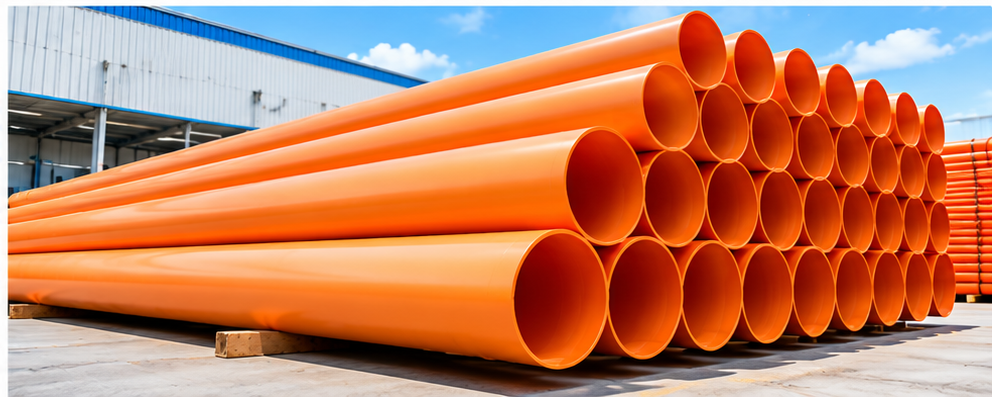
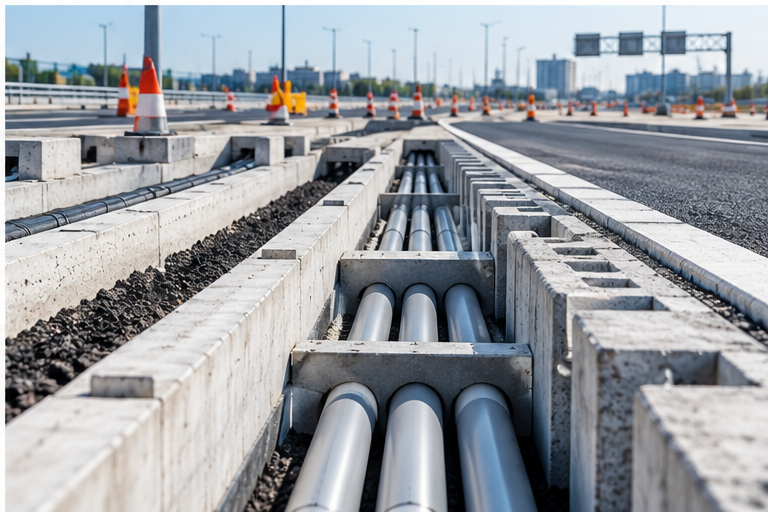
Electrical conduit and cable protection pipes for building and infrastructure applications
ELECTRICAL CONDUITS
& CABLE PROTECTION
01
Material Selection

Compare PVC and HDPE conduit requirements.

02
Installation Conditions

Review mechanical protection, installation method and environment.

03
Project Procurement

Discuss dimensions, conduit type, quantity and destination.

ELECTRICAL CONDUIT PRODUCT RANGE

CONDUIT OPTIONS FOR DIFFERENT INSTALLATIONS.

Electrical conduit requirements vary according to cable routing, installation environment and mechanical protection needs. Explore common conduit categories and the technical information to include in a procurement inquiry.

PVC rigid electrical conduit pipe for building wiring protection PVC RIGID CONDUIT
ELECTRICAL INSTALLATION PIPES

PVC Rigid Electrical Conduits

Rigid PVC conduit systems are commonly considered for electrical wiring protection in suitable building installations. Selection depends on conduit dimensions, mechanical performance, installation conditions and local electrical requirements.

  • Material Rigid PVC
  • Form Straight conduit lengths
  • Application Building wiring protection
  • Specify Diameter, length, performance class and standard
Inquire About PVC Rigid Conduit ↗
PVC flexible conduit category for electrical cable routing applications PVC FLEXIBLE CONDUIT
FLEXIBLE CABLE ROUTING

PVC Flexible Conduits

Flexible PVC conduit systems may be specified where cable routing requires bends or installation flexibility. Product construction, mechanical classification and installation suitability should be confirmed for the intended application.

  • Material PVC-based conduit
  • Form Flexible conduit coils
  • Application Suitable flexible wiring routes
  • Specify Diameter, coil length, construction and performance requirements
Inquire About Flexible Conduit ↗
HDPE cable protection duct category for underground electrical infrastructure HDPE CABLE PROTECTION
UNDERGROUND CABLE INFRASTRUCTURE

HDPE Cable Protection Ducts

HDPE cable protection ducts are used in suitable underground cable routing and infrastructure installations. Pipe dimensions, construction, mechanical requirements and installation method should be reviewed against the project specification.

  • Material High-density polyethylene
  • Form Coils or straight lengths, by specification
  • Application Underground cable protection
  • Specify OD/ID, wall thickness, duct structure and required standard
Inquire About HDPE Cable Ducts ↗
PROJECT-BASED CONDUIT PROCUREMENT

Need a Specific Conduit Type or Size?

Send your conduit material, diameter, length, installation conditions, required standard, estimated quantity and destination. We can review your inquiry and discuss suitable product options.

Send Your Specifications →
TECHNICAL SPECIFICATIONS

COMPARE CONDUIT TYPES. SPECIFY WITH CONFIDENCE.

Electrical conduit selection depends on material, construction, installation environment, mechanical performance and applicable standards. Use this comparison to identify the information required for technical review and procurement.

COMPARISON PVC Rigid Conduit Rigid electrical wiring protection PVC Flexible Conduit Flexible electrical cable routing HDPE Cable Duct Underground cable protection
Base Material Rigid polyvinyl chloride (PVC) PVC-based flexible conduit construction High-density polyethylene (HDPE)
Typical Construction Rigid, commonly smooth-wall conduit Flexible conduit; construction may be corrugated or otherwise profile-dependent Smooth-wall or structured-wall duct, depending on the specification
Supply Form Straight lengths Commonly supplied in coils Coils or straight lengths depending on duct type and dimensions
Typical Application Suitable building electrical wiring installations Suitable flexible cable routing and wiring protection Underground cable routing and infrastructure duct systems
Installation Method Surface-mounted or concealed installations where permitted by the product classification and local code Installations requiring bends or flexibility, subject to conduit classification Direct burial, duct banks or other specified underground arrangements, subject to product suitability
Dimensions to Confirm Nominal size, outside diameter, wall thickness and length Nominal size, internal diameter, external diameter and coil length OD/ID designation, wall thickness or duct structure, and length
Mechanical Requirements Compression, impact and other applicable classification requirements Compression, impact, flexibility and bend-related requirements as applicable Ring stiffness, crush resistance or other specified mechanical performance criteria
Connections & Accessories Compatible couplers, bends, fittings and boxes Compatible connectors, adaptors and termination fittings Suitable couplers, joints and duct accessories
Standards to Review Applicable parts of IEC 61386, local electrical codes and market-specific requirements Applicable parts of IEC 61386, relevant conduit classifications and local codes Project-specified duct standards, relevant material or performance requirements and local utility specifications
Procurement Details Size, length, classification, color, quantity and destination Size, coil length, flexibility class, construction, quantity and destination Duct dimensions, construction, mechanical class, length, quantity and destination

Conduit Selection Depends on the Installation Environment

Not all electrical conduits are suitable for the same installation conditions. Requirements may differ for concealed building wiring, exposed installations, underground cable routes, concrete encasement or outdoor environments. Confirm the required mechanical classification, temperature performance, environmental resistance, cable installation requirements and applicable electrical or utility standards before selecting a conduit system.

Need Help Matching Your Conduit Specifications?

Send us your conduit type, dimensions, required standard, installation method, mechanical requirements, estimated quantity and destination for a technical inquiry review.

Send Your Specifications →
ELECTRICAL CONDUIT APPLICATIONS

CABLE PROTECTION FOR REAL-WORLD PROJECTS.

Electrical conduit systems support cable routing and protection across building and infrastructure projects. Installation conditions determine the required conduit material, construction, mechanical performance and applicable standards.

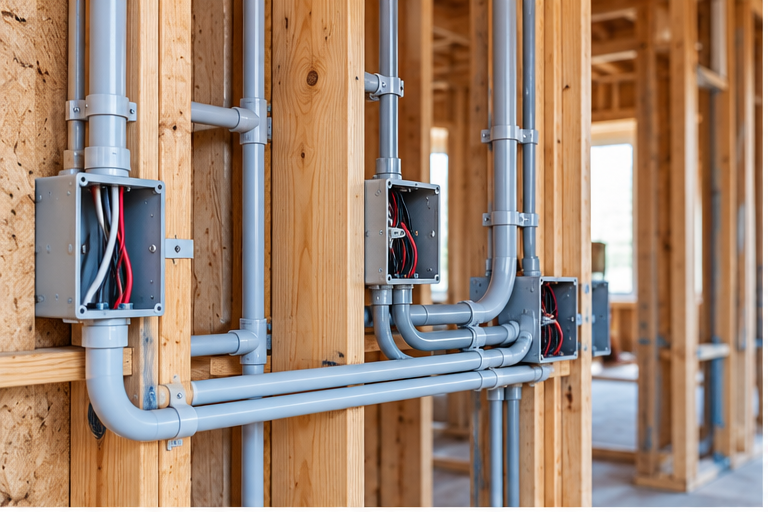
PVC electrical conduit routing and junction boxes in residential building construction APPLICATION 01
RESIDENTIAL CONSTRUCTION

Residential Electrical Wiring

Electrical conduits are used to route and protect wiring in suitable residential building installations. PVC rigid or flexible conduit options may be considered according to the wiring method, installation environment and applicable electrical codes.

Key Factors to Review
Conduit Diameter Installation Method Mechanical Classification Electrical Codes
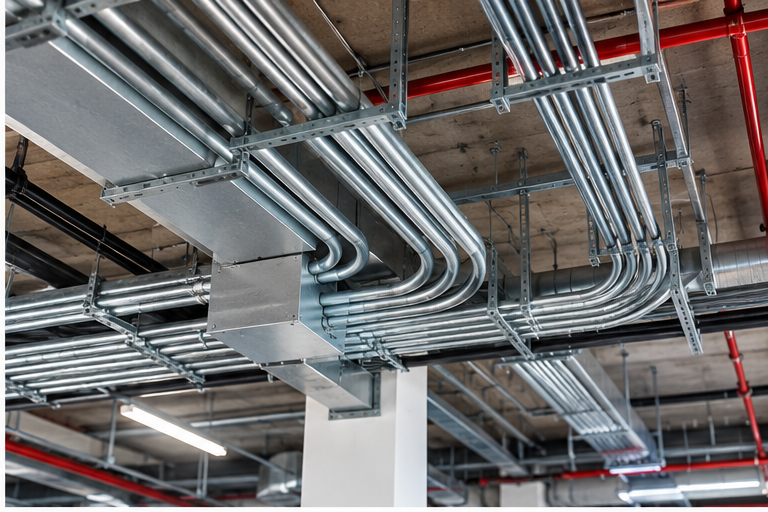
Organized electrical conduit and cable protection routes in a commercial building ceiling APPLICATION 02
COMMERCIAL BUILDING SERVICES

Commercial Building Cable Protection

Offices, hotels, shopping facilities and other commercial buildings require coordinated cable routing systems. Conduit selection should consider installation location, mechanical protection, cable capacity, fitting compatibility and project-specific requirements.

Key Factors to Review
Cable Routing Conduit Capacity Fire Requirements Fitting Compatibility
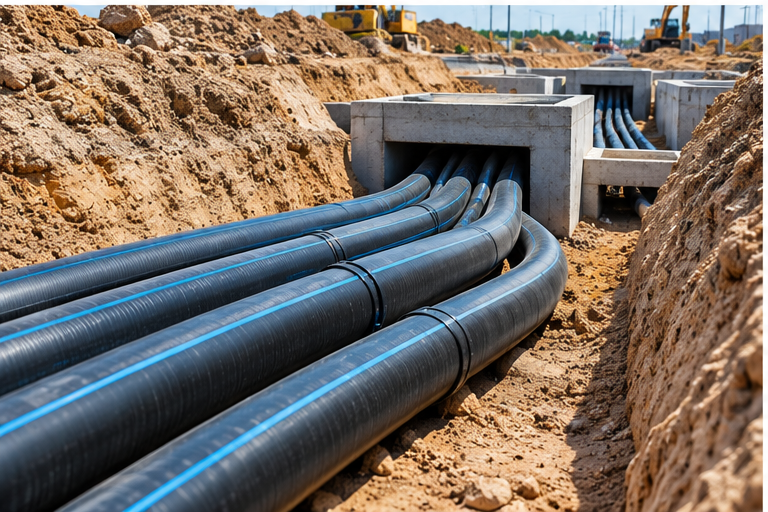
Black HDPE cable protection ducts installed in an underground power cable trench APPLICATION 03
UNDERGROUND POWER INFRASTRUCTURE

Underground Power Cable Routing

Underground cable networks may use suitable HDPE protection ducts to create defined cable pathways. The required duct dimensions and construction depend on cable size, burial conditions, installation method and project engineering criteria.

Key Factors to Review
Duct OD / ID Burial Conditions Mechanical Strength Cable Installation Method
Electrical cable protection ducts installed in a roadside concrete duct bank APPLICATION 04
ROAD & CIVIL INFRASTRUCTURE

Road & Infrastructure Cable Ducts

Road construction, transport facilities and civil infrastructure projects may require underground ducts for power, lighting or communications cables. Conduit specifications should reflect ground conditions, expected loads, installation design and utility requirements.

Key Factors to Review
Ground Conditions Load Requirements Duct Arrangement Utility Specifications
PROJECT-BASED CONDUIT PROCUREMENT

Have an Electrical Conduit Project?

Share your installation application, preferred conduit material, dimensions, mechanical requirements, applicable standard, estimated quantity and destination. We can review your inquiry and discuss suitable conduit options.

Discuss Your Project →
STANDARDS & QUALITY REQUIREMENTS

TECHNICAL STANDARDS. PROCUREMENT CONFIDENCE.

Electrical conduit procurement requires careful review of product classifications, mechanical performance, installation conditions and applicable electrical regulations. Reference standards help define technical requirements, while compliance must be verified for each specific product.

REFERENCE STANDARDS

Standards to Review

The following references may be relevant to electrical conduit specification and procurement, depending on product type, installation method and destination market.

  • IEC 61386-1 — General Requirements

    General requirements for conduit systems used in cable management, including relevant classifications, testing and performance criteria.

  • IEC 61386-21 / -22 / -23

    Particular requirements addressing rigid, pliable and flexible conduit systems respectively. The applicable part depends on the actual product construction and classification.

  • IEC 61386-24 — Buried Conduit Systems

    Particular requirements for conduit systems intended for underground installation. Applicability must be checked against the duct design and project specification.

  • National Electrical & Utility Requirements

    Destination-specific electrical codes, installation regulations, fire performance requirements and utility specifications may impose additional criteria.

PROCUREMENT CHECKLIST

What Buyers Should Confirm

Before placing a bulk conduit order, clarify the following technical and documentation requirements.

  • ✓
    Conduit Material & Construction

    Confirm PVC or HDPE, rigid or flexible construction, and smooth-wall or structured-wall design.

  • ✓
    Diameter & Dimensions

    Check nominal size, outside and inside diameters, wall thickness and straight length or coil format.

  • ✓
    Mechanical Performance

    Specify applicable compression, impact, stiffness or other mechanical performance requirements.

  • ✓
    Fire & Temperature Requirements

    Confirm required flame propagation classification, temperature range and any project fire performance criteria.

  • ✓
    Installation & Fitting Compatibility

    Review installation environment, bends, couplers, joints, cable routing and connection requirements.

  • ✓
    Testing & Documentation

    Identify required product marking, test reports, conformity evidence and destination-market documents.

Electrical Conduit Compliance Is Product- and Market-Specific

A conduit material description alone does not establish compliance with an electrical installation standard. For example, a general-purpose HDPE pipe should not automatically be treated as an approved underground electrical cable duct. The product's intended use, applicable standard, tested performance and destination-market requirements must be reviewed together.

Have a Required Conduit Standard or Project Specification?

Share the applicable standard, product drawings, conduit classification, required test documents, quantity and destination. We can review your procurement requirements before discussing product options.

Submit Your Requirements →
BULK PROCUREMENT & EXPORT

ELECTRICAL CONDUIT PROJECT PROCUREMENT.

Electrical conduit orders require more than a diameter and quantity. Coordinating product specifications, project requirements, packing preferences and destination details helps support a clearer procurement process for importers, distributors and contractors.

01

Product Specification Review

Identify the required PVC or HDPE conduit type, dimensions, construction, mechanical classification and applicable technical standards before discussing order details.

02

Bulk Order Planning

Confirm estimated quantities by size, preferred straight lengths or coil formats, accessory requirements and purchasing schedules to support order planning.

03

Packing & Shipping Review

Discuss suitable packing methods, bundle or coil handling, loading considerations, destination port and preferred shipping terms for the proposed conduit order.

04

Export Documentation Coordination

Identify required commercial documents, packing information, product specifications and any requested testing or conformity evidence before finalizing procurement arrangements.

RFQ PREPARATION

What to Include in Your Electrical Conduit Inquiry

A detailed request for quotation helps clarify the exact conduit type and technical requirements. If available, include project drawings, specification sheets or a bill of quantities for review.

✓
Conduit material and type
✓
Diameter and wall thickness
✓
Required standard or classification
✓
Installation environment
✓
Quantity by specification
✓
Straight length or coil requirements
✓
Packing and accessory preferences
✓
Destination and requested trade terms
Planning a Bulk Electrical Conduit Order?

Send your product specifications, estimated quantities and destination. Our team can review the inquiry and discuss available supply and export arrangements.

Request a Bulk Quotation →
FREQUENTLY ASKED QUESTIONS

ELECTRICAL CONDUIT FAQ. REQUEST A QUOTE.

Find answers to common questions about electrical conduit materials, specifications, installation requirements and international procurement. For project-specific needs, send us your technical details for review.

What types of electrical conduits can I inquire about?

You can send inquiries for rigid PVC electrical conduits, flexible PVC conduit systems and HDPE cable protection ducts. Include the required construction, application and specifications so availability can be reviewed for your project.

What sizes and lengths should I specify?

Please provide nominal size, outside diameter, inside diameter where relevant, wall thickness or mechanical class, and preferred straight length or coil length. Exact product options depend on the selected conduit type and technical specification.

Can HDPE cable ducts be used underground?

Certain HDPE cable duct systems are designed for underground installations. However, suitability depends on the actual duct construction, burial conditions, mechanical requirements, installation method and applicable project standards. General-purpose HDPE pipe should not automatically be considered an approved electrical cable duct.

Which electrical conduit standards should I check?

Applicable parts of the IEC 61386 series may be relevant to conduit systems, depending on product type and installation. Local electrical regulations, utility specifications and project requirements must also be reviewed. Product compliance should be verified through appropriate documentation.

Can I request test reports or technical documents?

Yes, you can identify the test reports, technical data sheets, product markings or conformity documents required for your procurement. Document availability and applicability need to be confirmed for the specific product and order.

What is the minimum order quantity?

Minimum order quantities may vary according to conduit type, diameter, length, specification and order composition. Send your required sizes and estimated quantities so the order requirements can be reviewed.

How are electrical conduits packed for export?

Packing requirements depend on whether the conduits are supplied in straight lengths or coils, as well as product dimensions, handling needs and shipment arrangements. Please share any specific packing or labeling requirements with your inquiry.

What information is needed for a quotation?

Please provide the conduit material, type, diameter, wall thickness or performance classification, required standard, quantity, preferred packing, destination and requested trade terms. Drawings or specification sheets are helpful for technical review.

EXPLORE MORE PIPE SOLUTIONS

Find More Pipe Categories for Your Next Project.

View All Products →